
Expert Tips for Effective CPR: Insights from Queensland Trainers
Cardiopulmonary resuscitation (CPR) is a critical skill that can make the difference between life and death in emergency situations. In Queensland, expert trainers focus on delivering effective CPR training to ensure that individuals are well-prepared to act swiftly and confidently. Here, we delve into expert tips and insights that can help you perform CPR effectively.
Understanding the Basics of CPR
Before diving into advanced techniques, it is essential to grasp the fundamental principles of CPR. CPR involves chest compressions and rescue breaths to maintain blood flow and oxygenation during cardiac arrest. The main goal is to preserve brain function until professional medical help arrives.
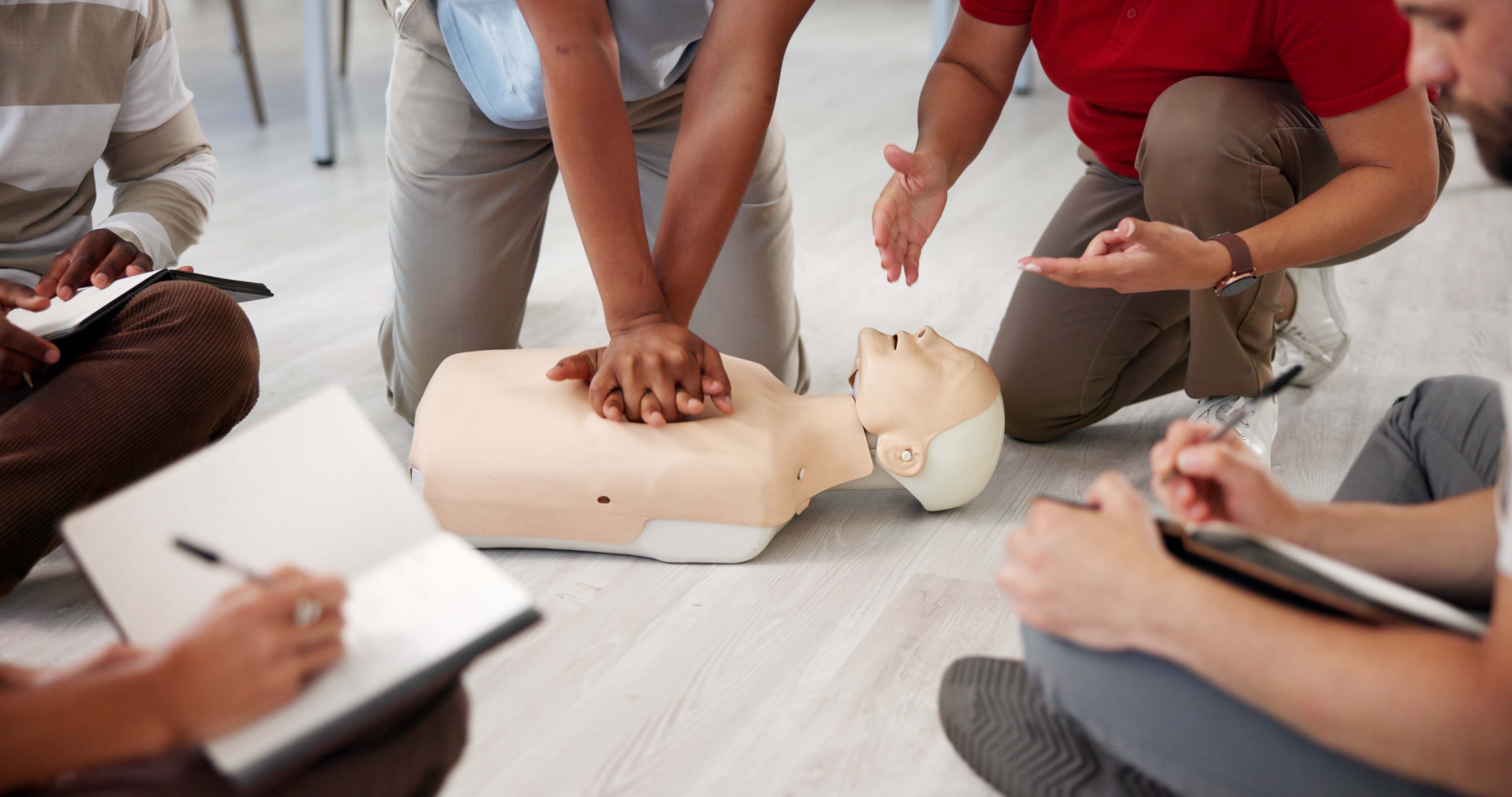
Experts emphasize the importance of the correct hand placement during chest compressions. Position your hands in the center of the chest, keeping your elbows straight, and use your body weight to compress the chest at least 5 centimeters deep.
Maintaining the Right Rhythm
The effectiveness of CPR is highly dependent on maintaining the right rhythm. Trainers in Queensland recommend a compression rate of 100 to 120 compressions per minute. A helpful tip is to perform compressions to the beat of the song "Stayin' Alive" by the Bee Gees, which has the right tempo.
Additionally, minimizing interruptions in chest compressions is crucial. Only pause to deliver rescue breaths or when using an automated external defibrillator (AED). Every second counts, so act swiftly and efficiently.
Incorporating Rescue Breaths
While chest compressions are vital, rescue breaths also play a significant role in effective CPR. Experts advise giving two rescue breaths after every 30 compressions. Ensure that the airway is open by tilting the head back slightly and lifting the chin.
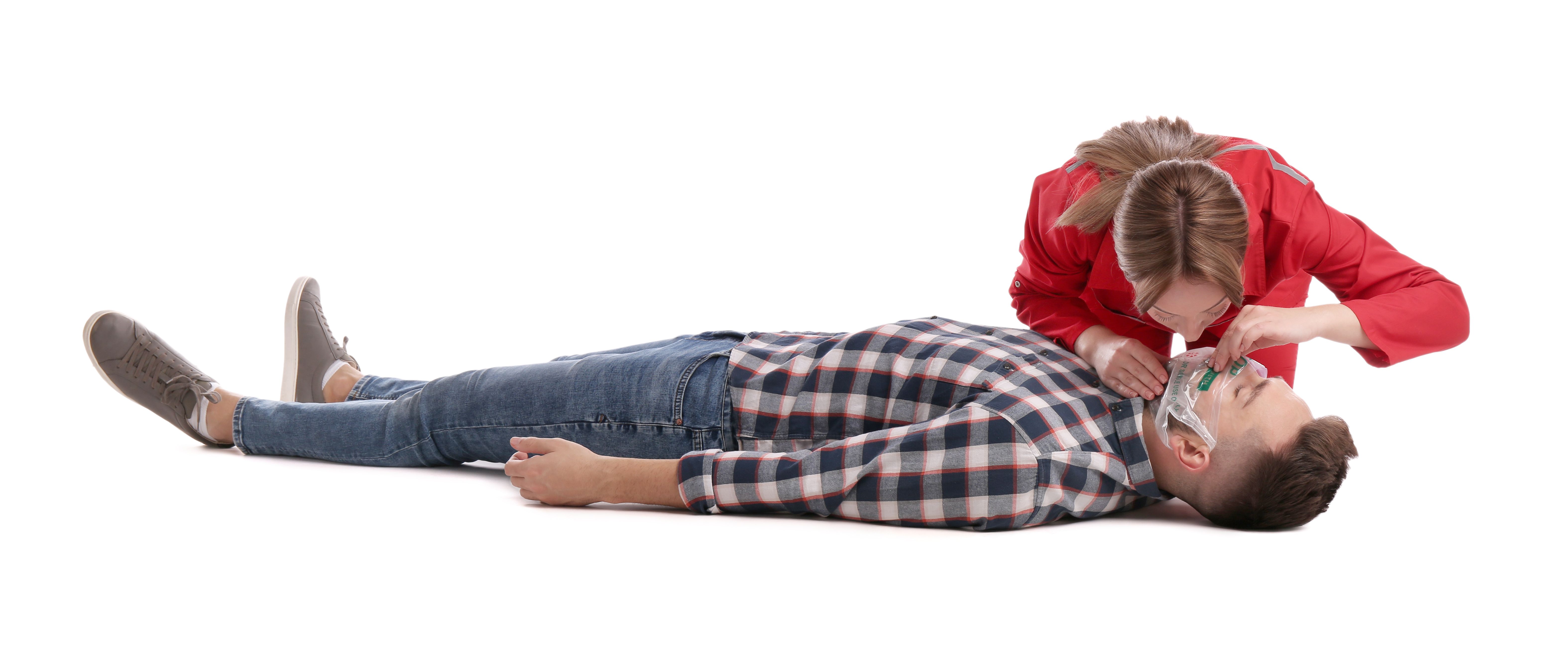
Seal your mouth over the victim's mouth, pinch the nose shut, and deliver two breaths, each lasting about one second. Watch for the chest to rise, ensuring the breaths are effective.
Using an AED
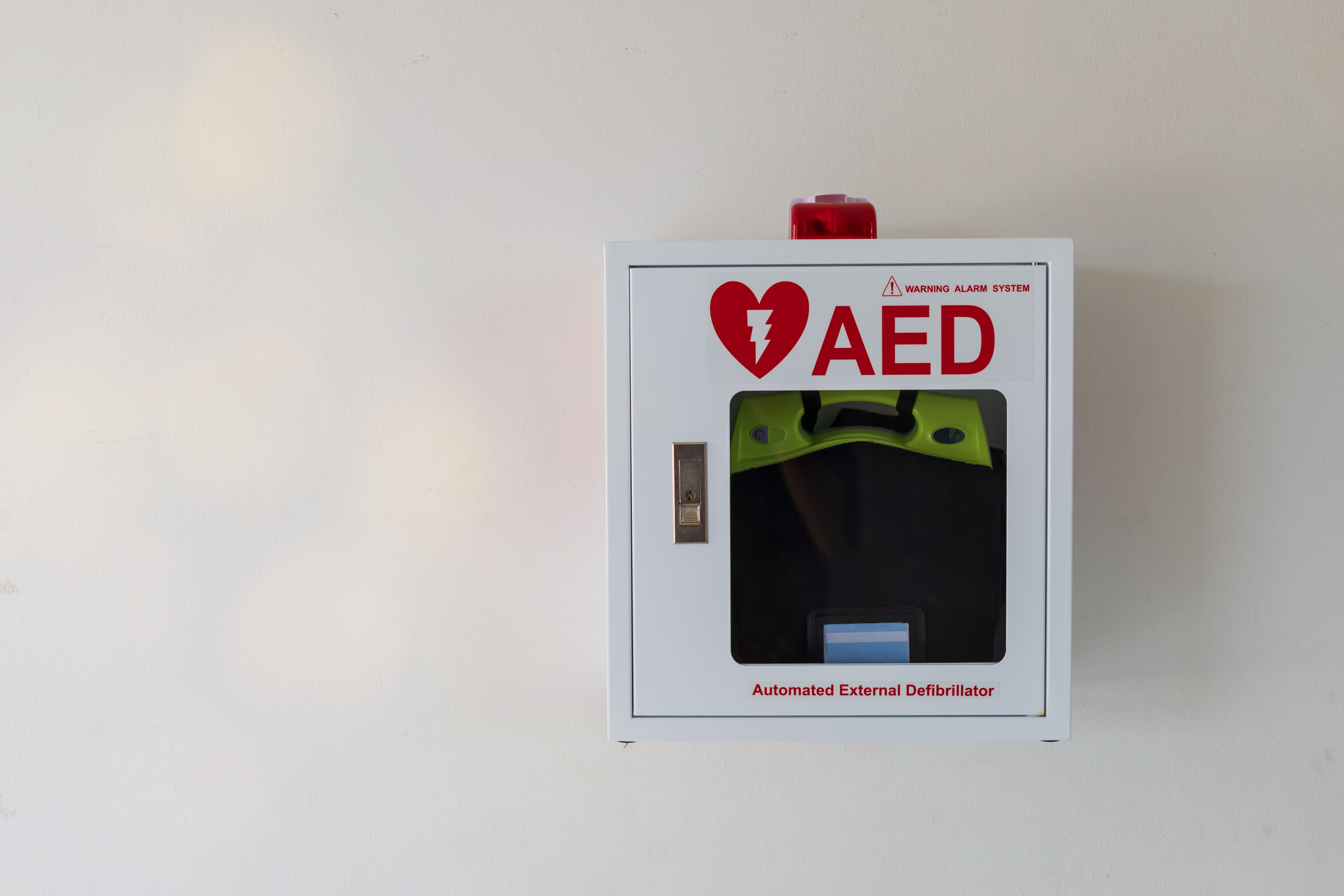
An automated external defibrillator (AED) is a crucial tool in CPR. Queensland trainers stress the importance of familiarity with AEDs, as they can significantly improve survival rates. Many public places now have AEDs available, making it easier to access one during an emergency.
Follow the voice prompts provided by the AED, and remember to continue CPR until the device is ready to analyze the heart rhythm or deliver a shock.
Continuous Learning and Practice
CPR skills can deteriorate over time if not practiced regularly. Experts recommend participating in refresher courses to keep your skills sharp. Queensland offers numerous training programs and workshops to help individuals stay updated with the latest CPR techniques and guidelines.
Engage in hands-on practice sessions, and don't hesitate to ask questions during training. The more you practice, the more confident you'll be in a real-life situation.
Staying Calm Under Pressure
In an emergency, staying calm is easier said than done, but it is essential for effective CPR. Expert trainers highlight the importance of taking a deep breath and focusing on the task at hand. Your calm demeanor can also reassure the victim and bystanders, creating a more controlled environment.
Remember, the ultimate goal is to preserve life. Trust in your training, and don't be afraid to take charge of the situation.