
Local Regulations: First Aid Requirements for Brisbane Sporting Clubs
Understanding First Aid Regulations for Brisbane Sporting Clubs
Brisbane's vibrant sporting culture is a cornerstone of community life. Ensuring the safety and well-being of participants is paramount, and this includes adhering to local regulations concerning first aid requirements. Sporting clubs must be aware of these obligations to provide a safe environment for athletes and spectators alike.

Why First Aid is Crucial for Sporting Clubs
First aid is an essential component of risk management in sports. Rapid response to injuries can prevent further harm and potentially save lives. Brisbane sporting clubs need to be well-prepared to handle emergencies, making compliance with first aid regulations not just a legal obligation but also a moral one.
Clubs should have a clear protocol in place, ensuring that all members are informed and trained in basic first aid. This involves not only having a well-stocked first aid kit but also ensuring that trained personnel are present during events.
Key First Aid Requirements
Brisbane's local regulations stipulate that sporting clubs must comply with specific first aid requirements. These include:
- Ensuring that a minimum number of certified first aiders are present at events.
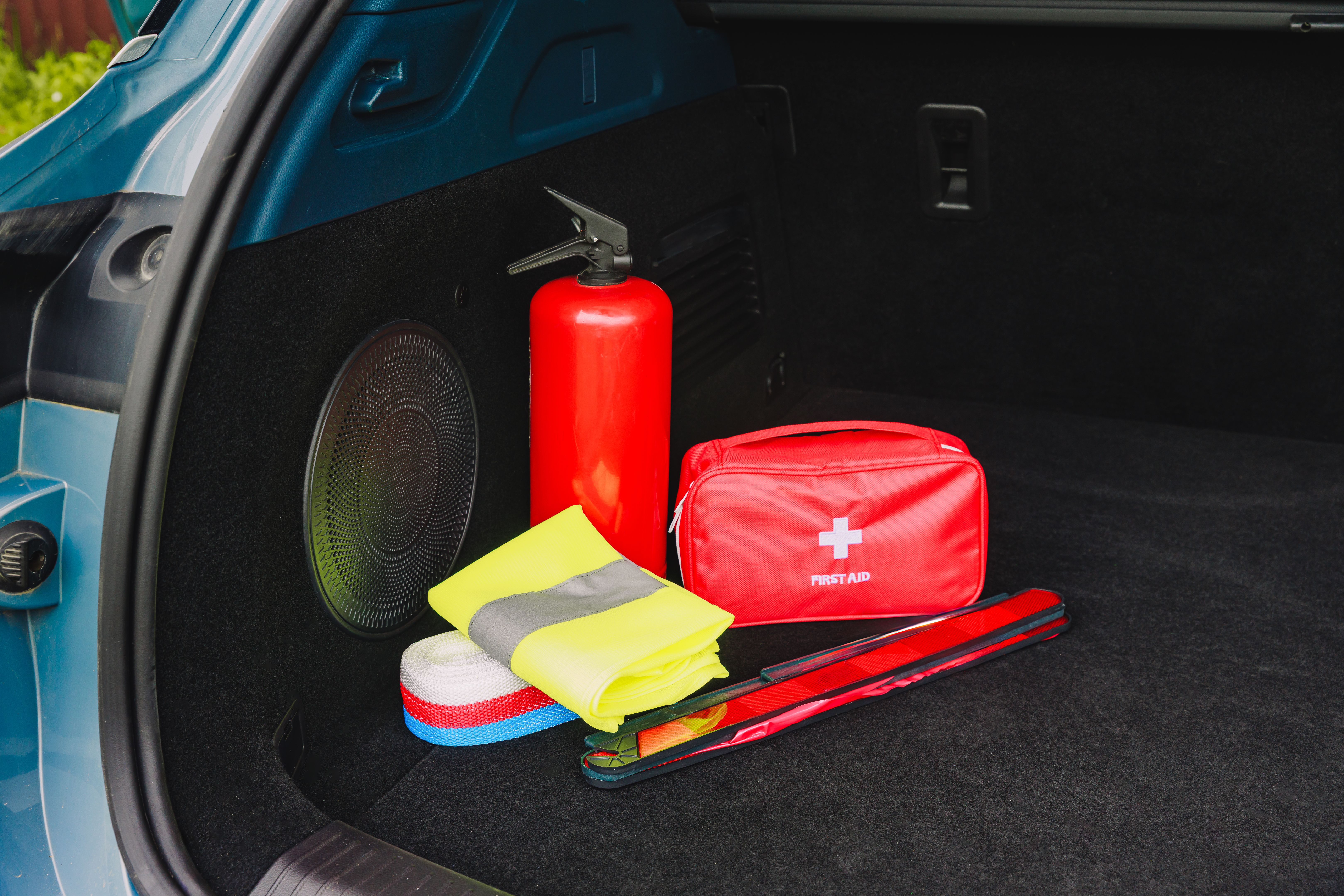
- Maintaining accessible and adequately stocked first aid kits.
- Providing clear signage indicating the location of first aid facilities.
Training and Certification
Training is a critical component of first aid readiness. Clubs are encouraged to facilitate regular training sessions, ensuring that staff and volunteers are certified in first aid. Many organisations offer courses tailored to the needs of sporting environments, providing both theoretical knowledge and practical skills.
Certification should be updated regularly, as guidelines and best practices evolve. This continuous learning approach helps clubs stay compliant and prepared for any emergencies.
Risk Assessment and Preparedness
Conducting a thorough risk assessment is a proactive step in first aid preparedness. Clubs should evaluate potential hazards specific to their sport and venue and develop strategies to mitigate these risks. This might include measures like having ice packs readily available or ensuring easy access for emergency services.
Collaboration with Local Authorities
Engaging with local authorities and health organisations can greatly enhance a club's first aid capabilities. These partnerships can provide valuable resources, support, and up-to-date information on compliance requirements. Additionally, they can offer guidance on best practices and innovative approaches to safety in sports.
By fostering strong relationships with these entities, clubs can ensure they are not only meeting regulatory requirements but also setting a standard for safety in the sporting community.