Understanding DRSABCD: A Guide to Emergency Response
Introduction to DRSABCD
Emergencies can happen at any time, and knowing how to respond effectively can save lives. One of the most widely recognised methods for emergency response is the DRSABCD action plan. This systematic approach ensures that responders do not overlook any critical steps during an emergency.
DRSABCD stands for Danger, Response, Send for help, Airway, Breathing, CPR, and Defibrillation. Each step plays a vital role in assessing and managing emergency situations. Let's explore what each component involves.
Danger Assessment
The first step, Danger, involves assessing the environment for any hazards. Before approaching the victim, make sure the area is safe for both you and the injured person. Look for risks such as traffic, fire, or electrical hazards, and take necessary precautions to avoid becoming a victim yourself.
Checking for a Response
After ensuring the area is safe, check if the person is responsive. Response can be assessed by gently shaking the person’s shoulders and asking questions like "Can you hear me?" or "Are you okay?" If there is no response, it is vital to move to the next step quickly.
Sending for Help
Send for help by calling emergency services immediately. Provide them with as much information as possible, including the location, nature of the emergency, and any visible injuries. If others are nearby, delegate this task to ensure help is on the way while you continue with the next steps.
Airway and Breathing
The Airway must be checked and cleared if necessary. Tilt the person’s head back gently and lift their chin to open the airway. Once the airway is clear, check for Breathing. Look, listen, and feel for breaths. If the person is not breathing normally, prepare to start CPR.
CPR: Cardiopulmonary Resuscitation
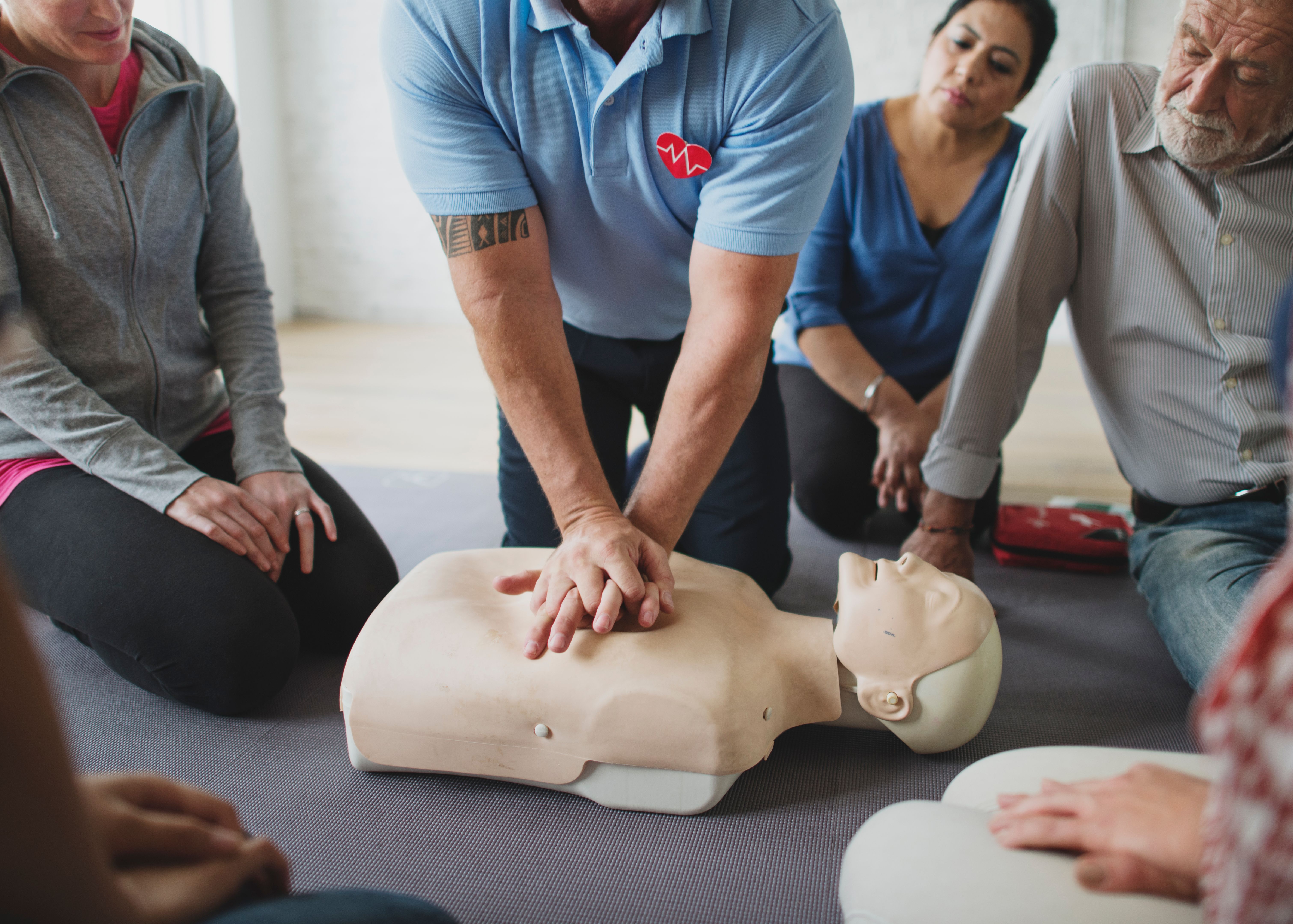
Commence CPR if the person is unresponsive and not breathing. Perform 30 chest compressions followed by 2 rescue breaths. Continue this cycle until professional help arrives or the person shows signs of life. Ensure compressions are deep and at a steady rhythm to be effective.
Defibrillation
Finally, if an Automated External Defibrillator (AED) is available, use it as soon as possible. The Defibrillation step can significantly increase the chances of survival in cases of cardiac arrest. Follow the device’s instructions carefully, as it will guide you through the process.
Understanding and applying the DRSABCD action plan can make a critical difference in emergency situations. By following these steps, you can provide effective assistance until professional help arrives, potentially saving a life.