
Understanding the Importance of First Aid Training in Schools and Childcare
First aid training is a crucial skill that can make a significant difference in emergency situations. In schools and childcare settings, this knowledge is even more vital due to the presence of children who may not fully understand potential dangers or how to respond to them. By equipping educators and childcare providers with first aid skills, we can create a safer environment for children to learn and play.
One of the primary benefits of first aid training in schools and childcare centers is the ability to respond promptly to accidents and injuries. Quick and effective intervention can prevent minor injuries from becoming major ones and can even save lives in critical situations. This immediate response capability is essential in environments where children are active and curious.
Building Confidence and Preparedness
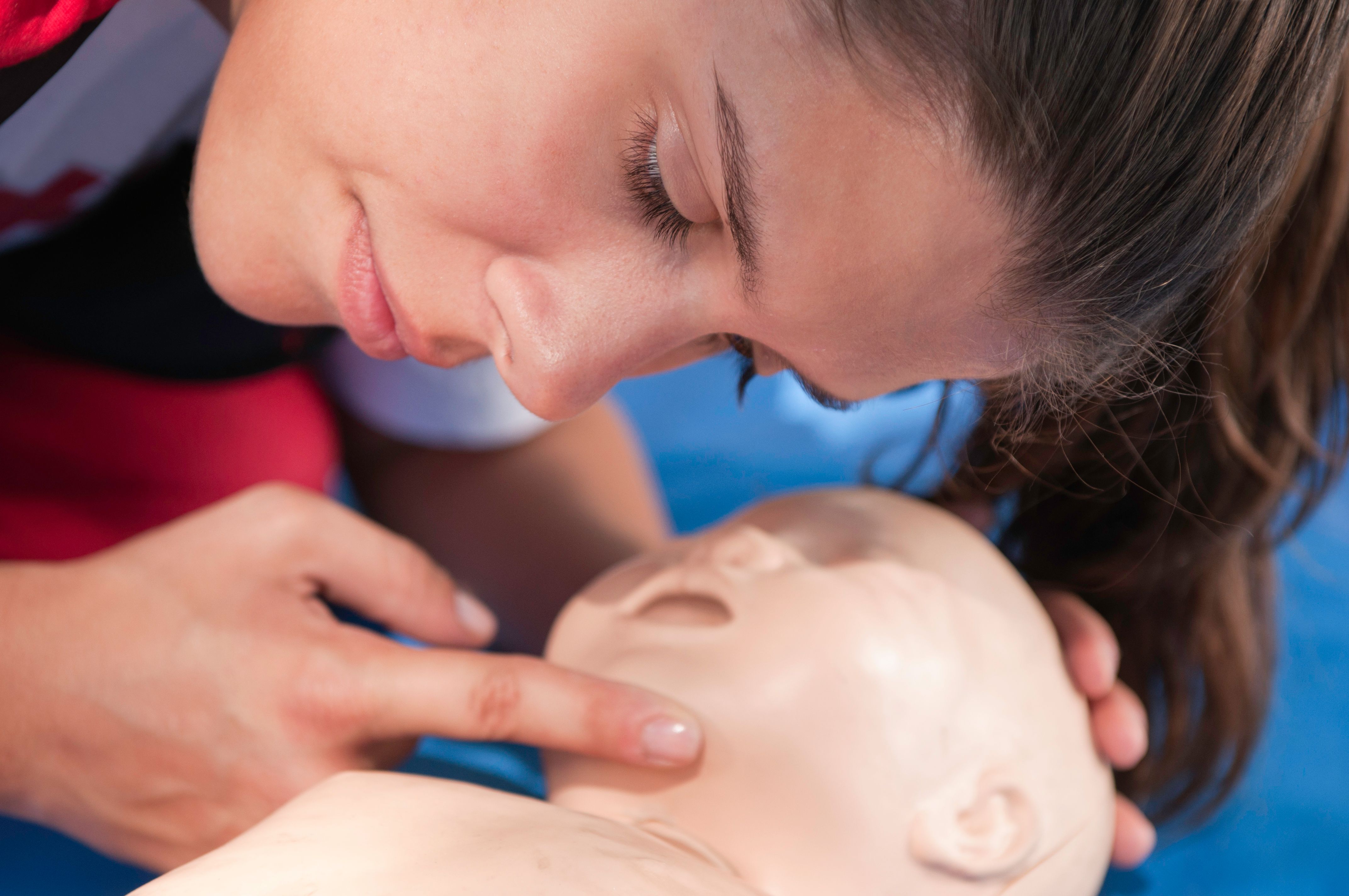
First aid training provides educators and childcare workers with the confidence to handle emergencies calmly and efficiently. Knowing what to do in a crisis reduces panic and ensures that the necessary steps are taken to provide care. This preparedness is not only reassuring for staff but also for parents who entrust their children to these institutions daily.
Moreover, first aid training fosters a culture of safety and awareness among staff and students. When teachers model appropriate responses to injuries or emergencies, students learn to remain calm and seek help when needed. This can be particularly beneficial in encouraging older students to learn basic first aid skills themselves, further enhancing the safety net within the school community.
Essential First Aid Skills
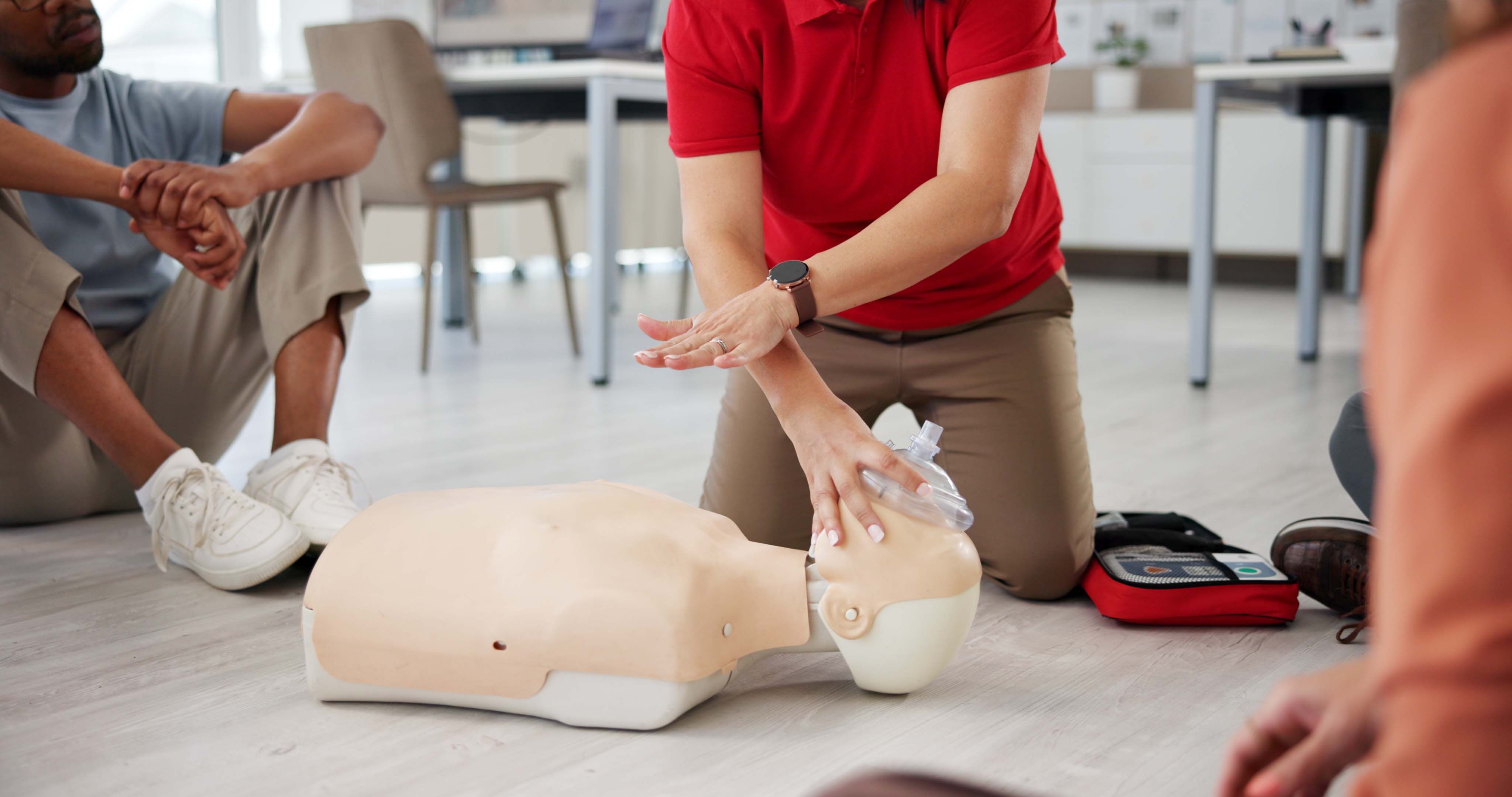
The first aid curriculum in schools and childcare settings typically includes a range of essential skills. These include treating cuts and bruises, managing sprains, and recognizing the signs of more serious conditions like concussions or allergic reactions. CPR and the use of automated external defibrillators (AEDs) are also critical components of comprehensive first aid training.
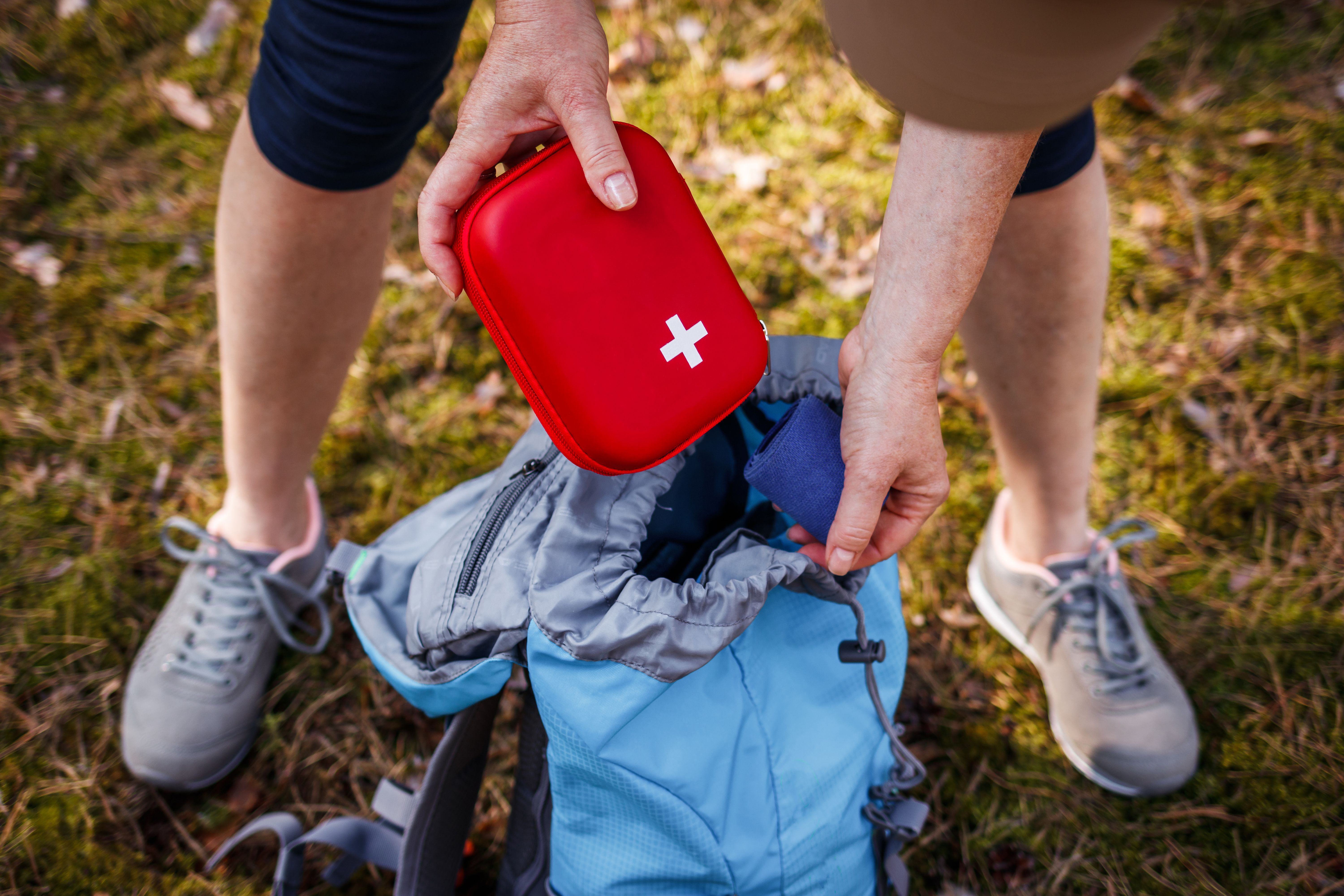
Training sessions often incorporate both theoretical and practical components, ensuring that participants fully understand the techniques and can apply them in real-life scenarios. This hands-on approach is crucial in building the muscle memory needed to perform first aid effectively.
Creating a Safer Environment
Implementing first aid training in schools and childcare not only prepares staff but also contributes to a safer overall environment. Regular training updates ensure that staff members are aware of the latest guidelines and techniques, maintaining a high standard of care.
- Regularly updated training sessions
- Integration of first aid into school safety plans
- Encouraging student participation in learning basic first aid
The Long-Term Impact of First Aid Training
The long-term benefits of incorporating first aid training into educational settings extend beyond immediate emergencies. By instilling a culture of safety and preparedness, schools and childcare centers contribute to the development of responsible, safety-conscious individuals. This foundation can influence children throughout their lives, encouraging them to pursue further training and awareness as they grow.
In conclusion, first aid training is a vital component of any educational or childcare setting. By equipping staff with the necessary skills, we ensure a safer environment for children and teach valuable life skills that benefit the entire community. Investing in first aid training is an investment in the health and safety of our future generations.